
An English–Arabic bilingual perspective
Clear, evidence-based information about bilingual speech and language development, without unnecessary jargon.
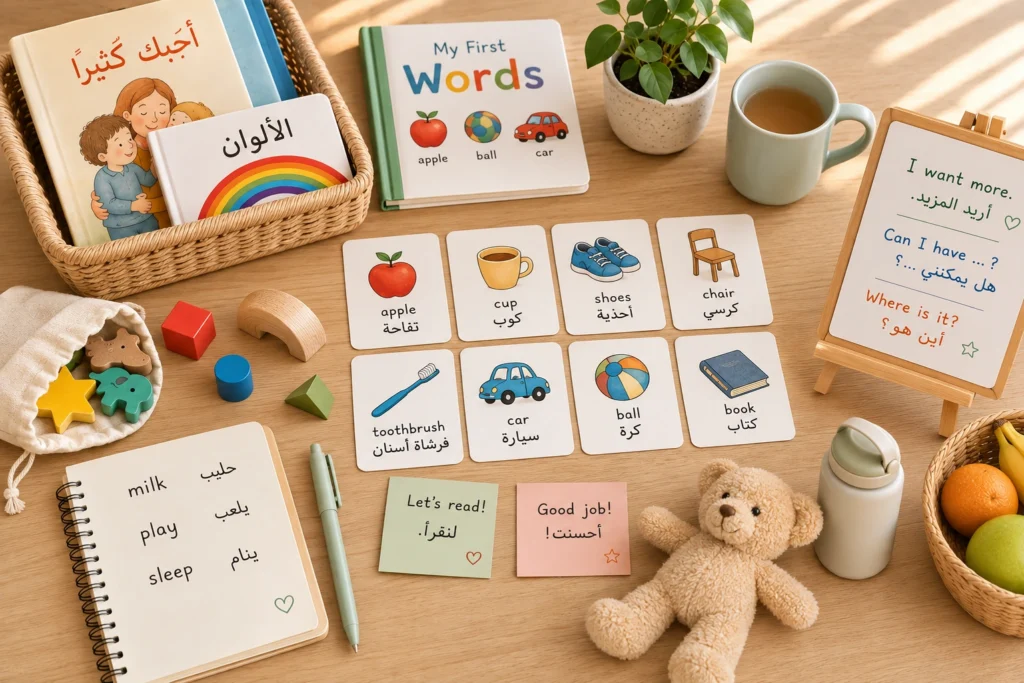
Where families often start.
What’s typical, and when it’s worth asking for advice.
Speech clarity in one or both languages.
Using both languages in the same sentence.
What the evidence says about growing up bilingual.
What an assessment involves, and what to share.
Everyday ways to support both languages.
Written for parents raising a child in more than one language, and available in English and Arabic.
Bilingual development can look different from monolingual development — and different is not the same as delayed.
A bilingual child may know and use different words in each of their languages. They might know some things in one language and other things in another, and move between languages in the same conversation. Looking at only one language can therefore give an incomplete picture of what they know.
That’s why any concern is best considered across the child’s languages, alongside where each language is used and who they use it with.
Bilingualism itself isn’t a reason to seek an assessment. What matters is how your child’s communication is developing overall, taking into account the languages they know and use.
It may be worth asking for advice if your child…
If you’re worried about your child’s hearing, ask for a hearing check whatever their age.
A Speech and Language Therapist should consider your child’s language background and experience, including which languages they hear and use, with whom, and in which settings.
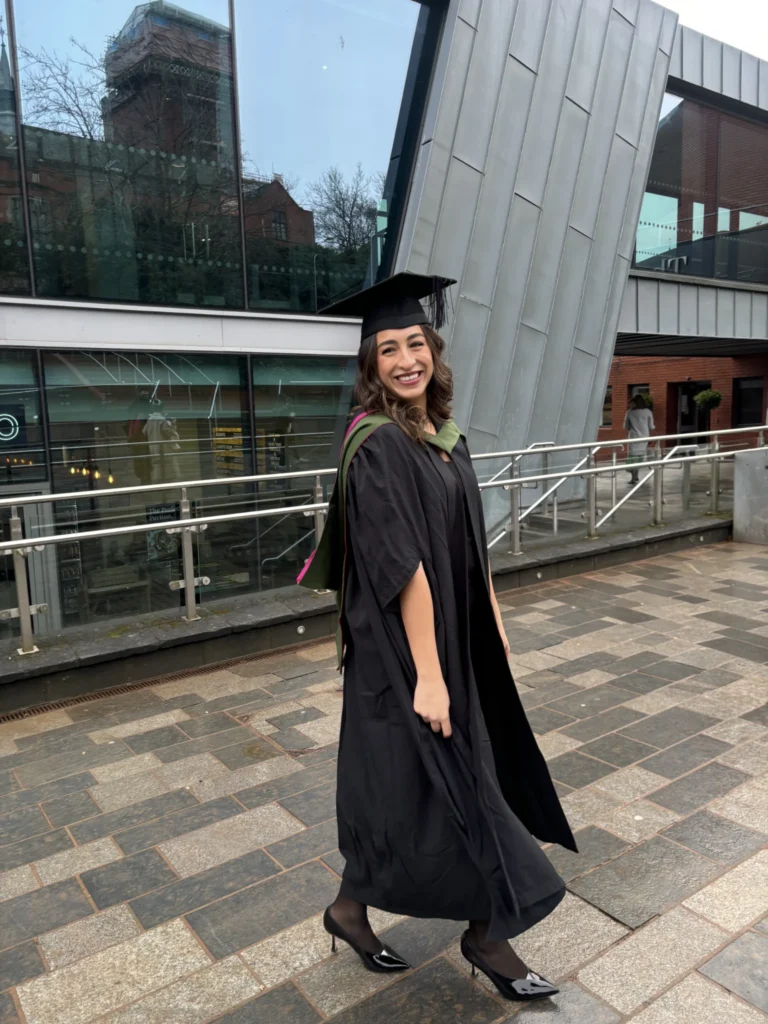
I’m Bodour Imseeh, a Speech and Language Therapist. I’ve been practising since 2021, across school-based and private caseloads in the UK and, more recently, international schools in the Middle East.
My specialist areas include bilingualism, phonology, speech sound disorders and early literacy. As a fluent Arabic and English speaker, my interest in bilingual communication is both professional and personal.
BSc (Hons) Speech and Language Therapy, University of East Anglia · MSc Speech Difficulties, University of Sheffield · currently completing a Doctor of Speech-Language Pathology (SLPD), Northwestern University
Occasional updates with new bilingual-development guides, practical ideas and family resources — only when there’s something worth sharing.